
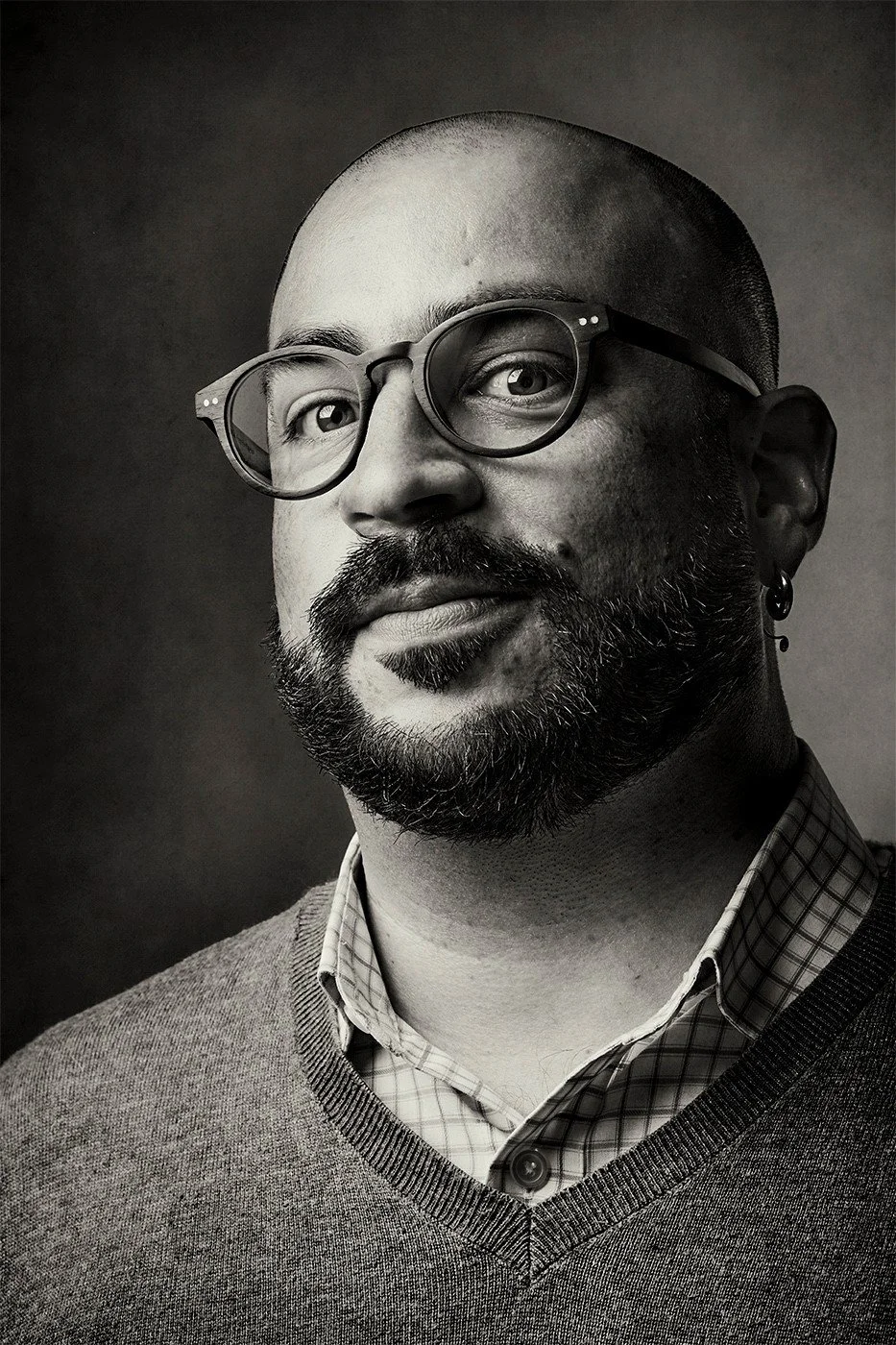
Background
My professional path has taken me to leading institutions around the world. Before my work in Edinburgh, I was a Conservation Research Assistant at the National Music Museum in South Dakota, USA, and an A. W. Mellon Conservation Fellow at The Metropolitan Museum of Art in New York, where I studied lutes and their historical construction. Earlier, I trained and undertook a conservation internship at the Museo degli Strumenti Musicali al Castello Sforzesco in Milan.
I hold a PhD in Organology from the University of Edinburgh, where my research focused on reconstructing a lute by Sixtus Rauwolf, and a diploma in the construction of historical plucked instruments from the Civica Scuola di Liuteria in Milan. Alongside my conservation and research work, I serve as Vice President of the American Musical Instrument Society (AMIS) and as Editor of the Bulletin for ICOM MUSIC.
I keep a small production of instruments. Each lute I make is unique and hand-crafted with great attention to detail.
Conservation
I have dedicated my career to the conservation, study, and preservation of historical musical instruments.
For over a decade, I have worked for the Heritage Collections of the University of Edinburgh, where I am currently the Senior Conservator. I am responsible for the preservation, documentation, and research of the Musical Instrument Collections, one of the world’s most significant collections of it’s kind.
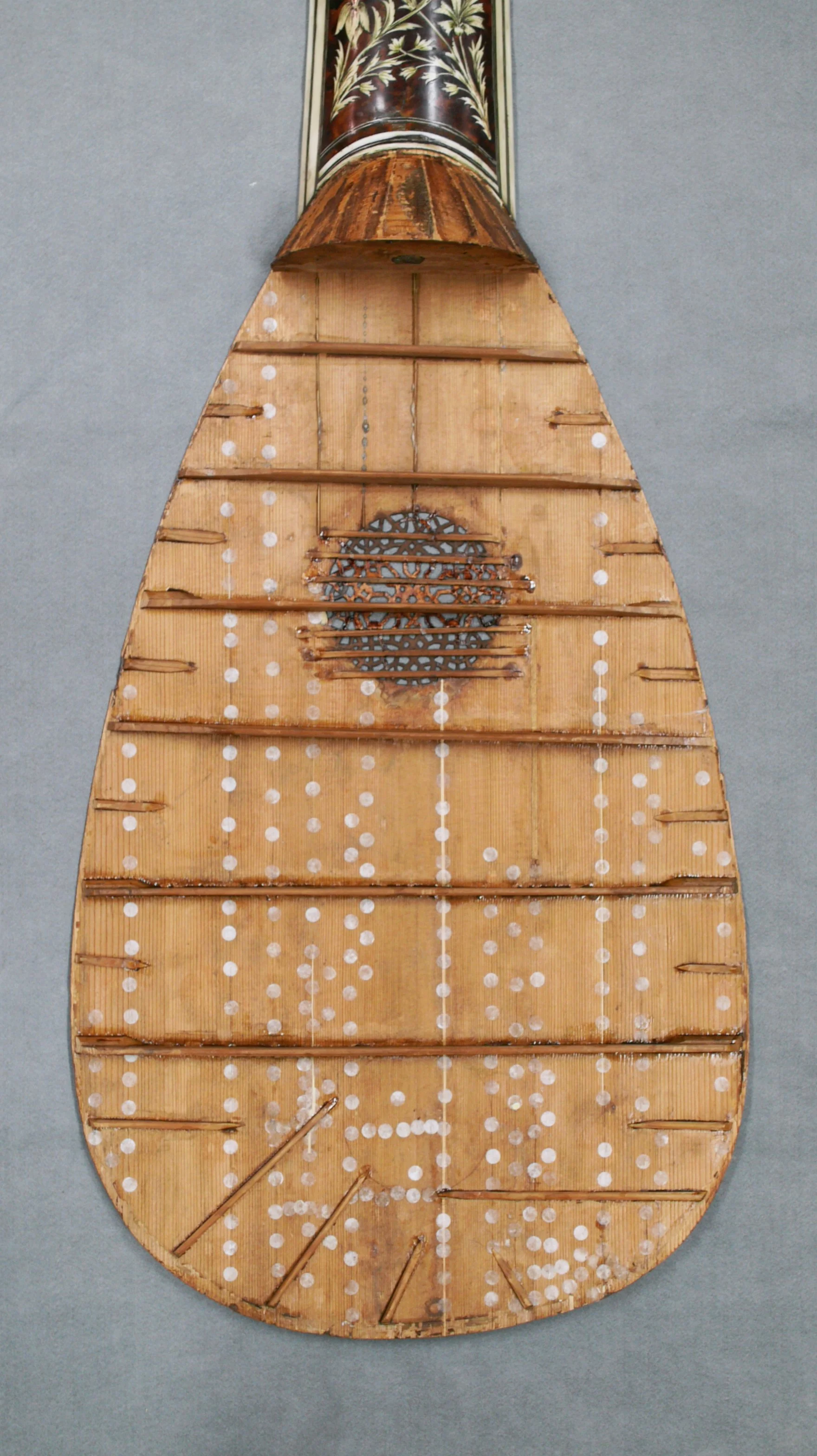
My approach to conservation is grounded in respect for the integrity of each instrument—balancing historical understanding with careful material preservation. I am deeply committed to ethical conservation principles and to upholding the professional standards set out in the ICON Code of Conduct. Through my work, I aim to ensure that these instruments continue to inform, inspire, and communicate their histories and craftsmanship to future generations.